
OpenShack Remote / Complete station
The whole shack. Right in front of you.
Run one Windows host at the station and one client beside you. The client brings audio, radio control, PTT, CW, logger connections, digital modes and station tools to your operating position. No shared desktop is involved.
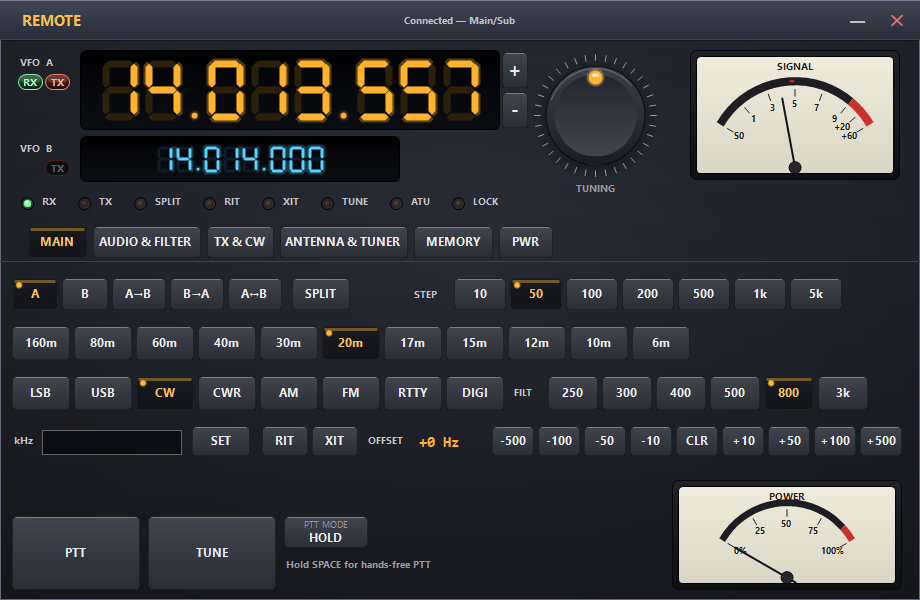
The host stays at the station. The client stays with you.
The host connects and protects the station hardware. The client gives you the same OpenShack screen and tools wherever you operate.
The station host
Connects the transceiver, audio, OpenShack Box, rotator, amplifiers, tuners, antenna controls and other station devices.
What remains at the station →The client PC
Provides VFO, meters, PTT, Tune, audio, logger interfaces and the controls you need—without remote-controlling the host desktop.
What the client provides →The connection
OpenShack automatically uses the best available direct or server path.
How connections work →More than a radio front panel.
The client gives you the parts of the shack you need on the air, while the station host remains in control of the real equipment.
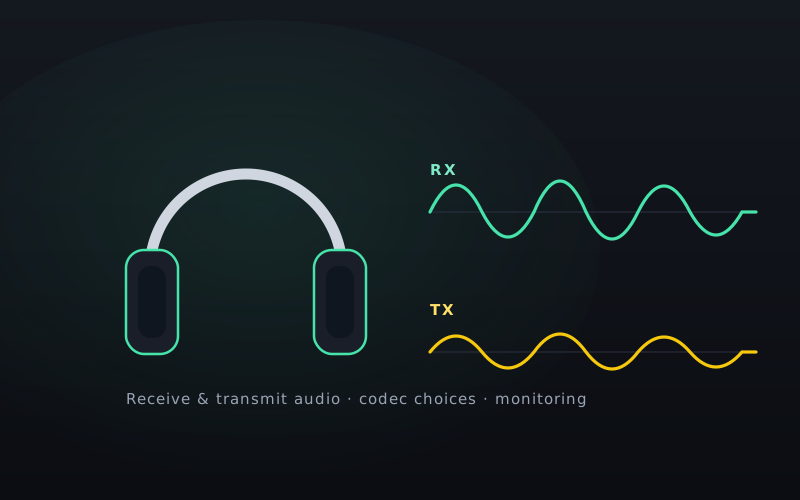
Hear and transmit
Receive audio, microphone audio, monitoring and selectable audio paths for the station setup.
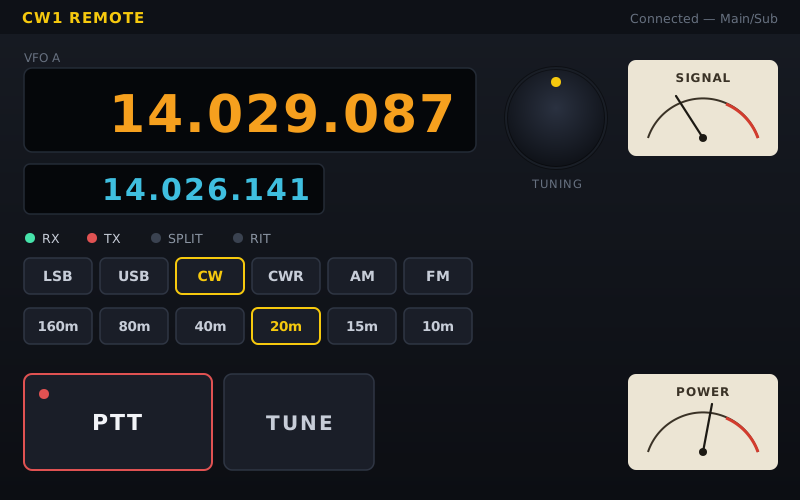
Tune and control
Frequency, mode, split, bands, meters, PTT and Tune on the client.
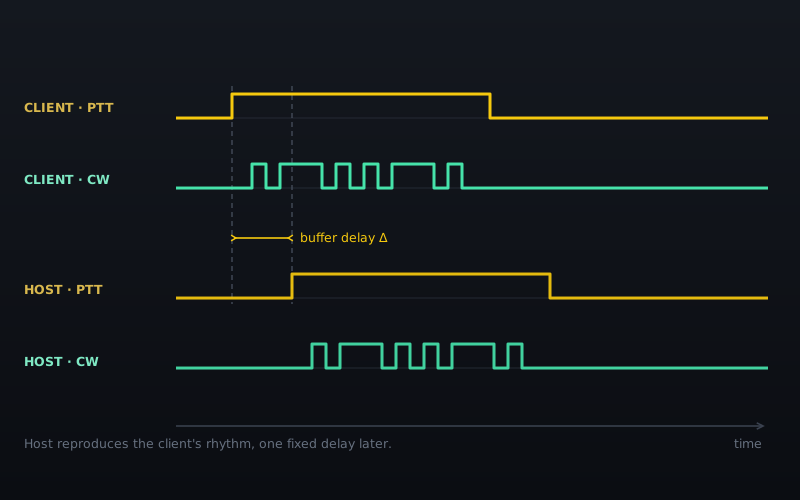
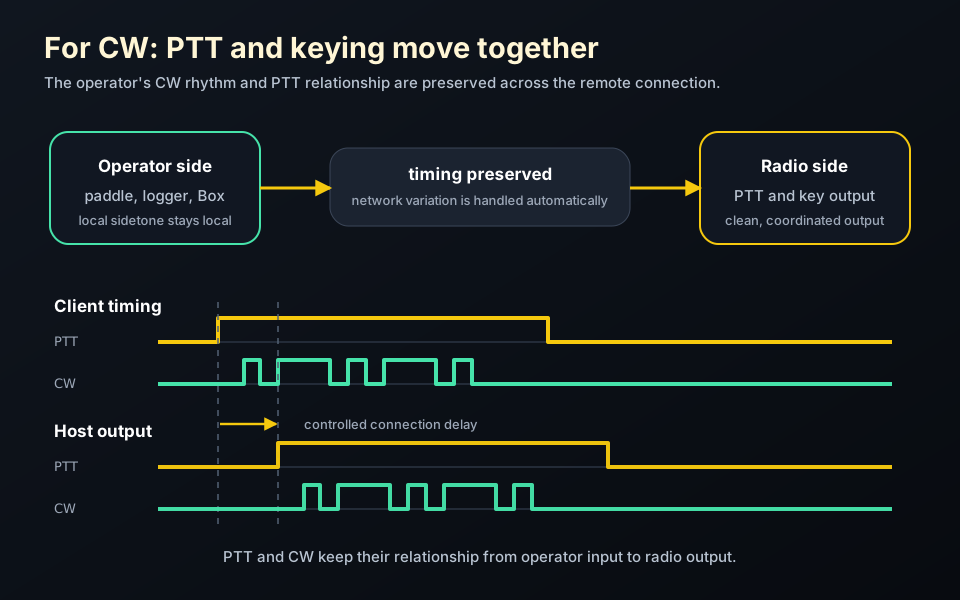
Keep the timing
Use a paddle, WinKey-compatible logger or software keyer while CW and PTT remain synchronized at the host.
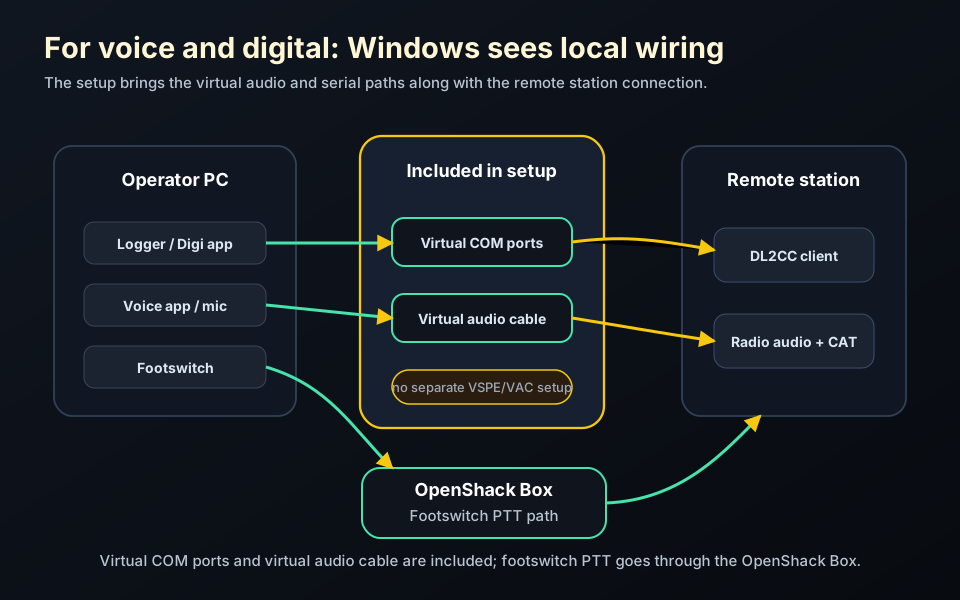
Keep the programs you know
Virtual COM and audio interfaces let loggers and digital-mode programs work as if the station were nearby.
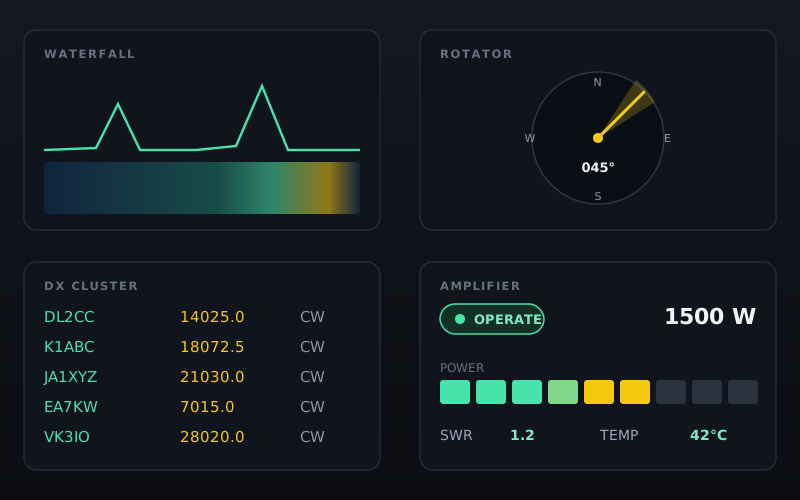
Reach the rest of the shack
Waterfall, DX cluster, memories, rotator, amplifier, tuner, antenna and switching controls.
Personal first, shared if you choose
Keep the station private or give selected operators access.
The computers fade into the background.
Each computer has a clear job. The host stays with the equipment; the client stays with the person operating it.
Hardware stays where it belongs.
Radio and accessory connections, inactivity handling and station shutdown remain at the radio site.
The controls travel.
The operator sees the station, hears it and uses familiar software through local-looking interfaces.
Hardware CW at the host. Ultimate CW at the client.
A host-side OpenShack Box gives the radio a dedicated hardware CW/PTT path and tight integration with OpenShack Remote. It is also a standalone WinKey replacement whenever you operate locally.
A client-side Box is optional. WinKey-compatible loggers work without one. Add a Box beside the remote operator for a real paddle, local sidetone and footswitch PTT.
If audio and CAT are already solved by another remote system, the focused CW Link path adds only this CW/PTT layer.
Loggers and digital modes do not need a remote desktop.
OpenShack provides the local interfaces used by contest, logging and digital-mode applications.
- RadioVirtual COM and supported CAT/rigctld paths
- AudioVirtual audio for receive and transmit applications
- CWWinKey-compatible logger workflows
- StationHost-side device and auxiliary controls
Travel light. Bring the whole station.
The host connects the station. The client gives you the same OpenShack controls wherever you operate.